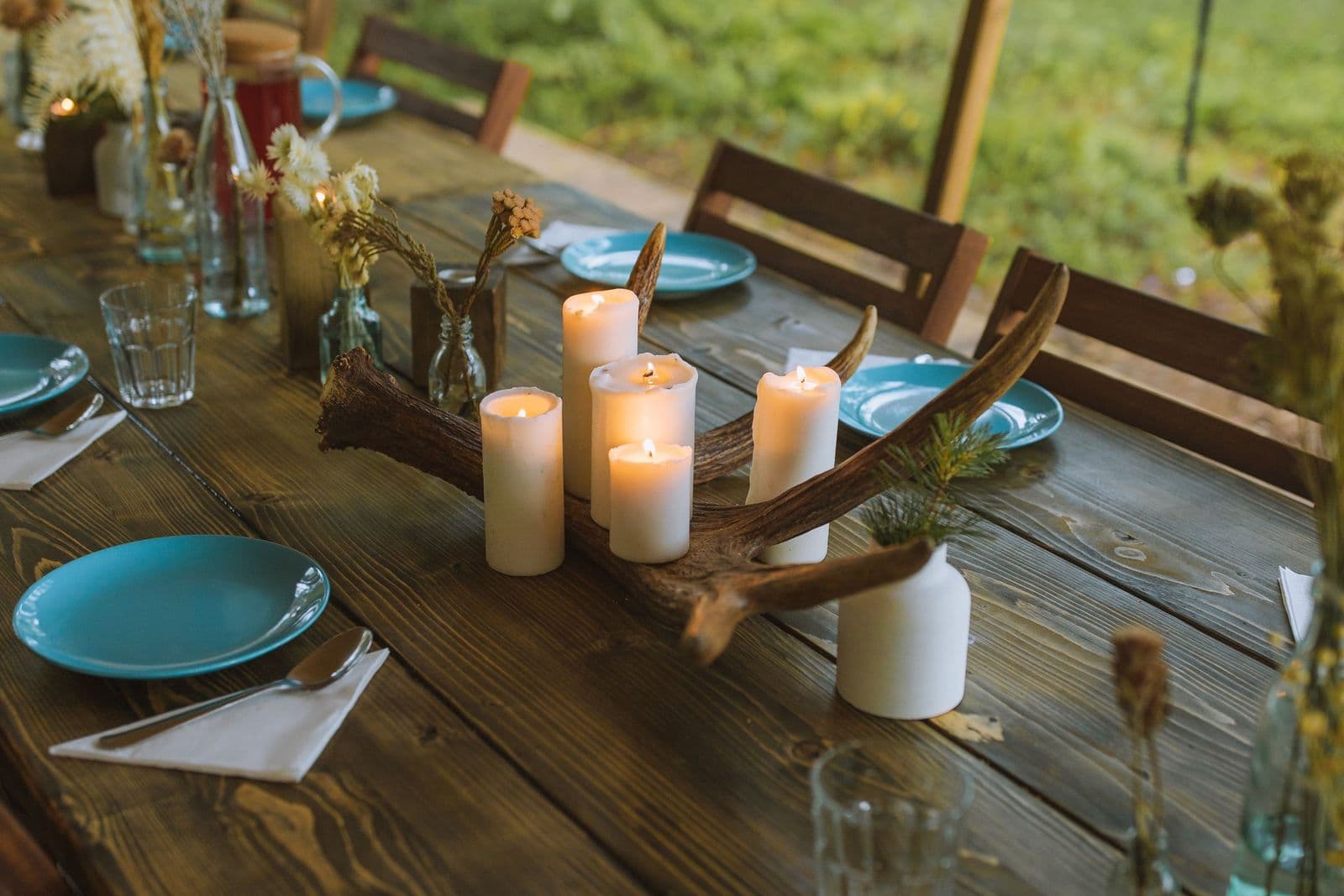
Photo: Adrien Olichon / Pexels (photo page on Pexels, opens in a new tab)
Ask ten operators what their sales manager does and you'll get ten answers. "Events." "The website." "Instagram, mostly." "Honestly, not sure." In a good hospitality business, the sales role is simpler and more valuable than any of those: it's the person whose job is to make sure the diary is fuller next month than it would otherwise have been.
The job in one line
A hospitality sales manager brings in business the venue wouldn't get on its own, and makes sure it's the right business at the right time.
That second half matters. Selling a 40-person party on a Saturday that would have filled anyway isn't a win. Selling it on a Wednesday is.
What it looks like day to day
- Enquiries. Answering private hire, group and event enquiries fast and well, then following up. A slow reply is often a lost booking.
- Events and private hire. Building packages, quoting, contracting, and handing over cleanly to the team running the night.
- Corporate and local accounts. Offices, agencies, hotels, venues and societies nearby who could book regularly.
- Regulars and the guest list. Looking after your best guests and keeping a marketing list people have actually agreed to join.
- Quiet-period planning. Working with the GM on what will fill January, Mondays or the gap between lunch and dinner.
- Reporting. What's booked, what's in the pipeline, and what it's worth.
What it's not: running your social media single-handed, designing menus, or covering the floor every time someone's off. Those might happen sometimes, but if they take over, the selling stops.
Selling a party on a Saturday that would have filled anyway isn't a win. Selling it on a Wednesday is.
The maths on one party
Here's why events are worth the effort. A 30-person private dinner on a Thursday, booked into a room that would otherwise be quiet:
- Set menu: £45 a head (inc VAT), so £45 ÷ 1.2 = £37.50 net
- Drinks package: £24 a head (inc VAT), so £24 ÷ 1.2 = £20.00 net
- Net sales: 30 × (£37.50 + £20.00) = 30 × £57.50 = £1,725
Cost of sales (illustrative):
- Food at 30%: 30 × £37.50 = £1,125, and £1,125 × 0.30 = £337.50
- Drink at 25%: 30 × £20.00 = £600, and £600 × 0.25 = £150.00
- Total: £487.50
Gross profit: £1,725 − £487.50 = £1,237.50, which is 71.7% (to one decimal place).
Add, say, £150 of extra staffing for the night, and the party contributes £1,237.50 − £150 = £1,087.50 towards rent, overheads and profit, from a room that was going to be quiet. That's before any repeat bookings from the guests who loved it.
Getting your venues to send each other trade
If you run more than one site, some of your easiest sales are already inside the business. The trick is getting venues to pass guests along rather than turning them away. A sales role is often the glue.
- When one site is full, offer the other. Every host should know what's free at your other venues tonight, and how to book it.
- One guest list, shared properly. If someone loves your bar, they might love your restaurant. Only market to people whose permission covers the relevant company or brand. Under PECR, you generally need consent; the "soft opt-in" is limited to your own similar products or services and requires an opt-out at collection and in every message. Don't assume a booking at one venue permits marketing another group company or brand. The ICO's guidance explains both.
- Bounce-backs. A card or offer with the bill that points to a sister venue on a quiet night.
- Shared events. A pop-up from one kitchen in another site's space, a cocktail takeover, a progressive dinner across sites.
- Staff swaps. Let teams eat and drink at each other's venues. People sell what they know.
The hand-off: where events go wrong
Most event problems aren't sales problems. They're hand-off problems. The sales manager promised one thing, the team on the night heard another.
Watch the licence
Events can bump into licensing. If you want to sell alcohol outside your licensed hours or areas, or run an event somewhere that isn't licensed, you may need a Temporary Event Notice (TEN). Under the Licensing Act 2003 in England and Wales, a TEN covers relatively small events, with fewer than 500 people and lasting no more than 168 hours. Talk to your licensing team at the council early. Scotland runs a different system, with occasional licences.
Do you need one?
A dedicated sales person usually earns their keep when:
- You have a private dining room, a large space or several sites
- Enquiries are going unanswered, or answered slowly
- Your quiet periods are predictable and costly
- Your GM is too busy running service to sell
If you're a single small venue, the role might be a few hours a week for your GM or AGM rather than a new hire. The tasks above still need doing.
Sources
- GOV.UK: Alcohol licensing (premises licences, temporary event notices) (opens in a new tab)
- ICO: Electronic mail marketing (PECR, consent and soft opt-in) (opens in a new tab)
- Food Standards Agency: Allergen information for non-prepacked foods, best practice (pre-ordered group bookings) (opens in a new tab)
- GOV.UK: VAT rates (opens in a new tab)