LearnLeadership6 min read
Leading through your GMs: how to run a group when you can't be in every site
The weekly rhythm, the few numbers and the site visits that let you lead several venues through their general managers, instead of running round all of them yourself.
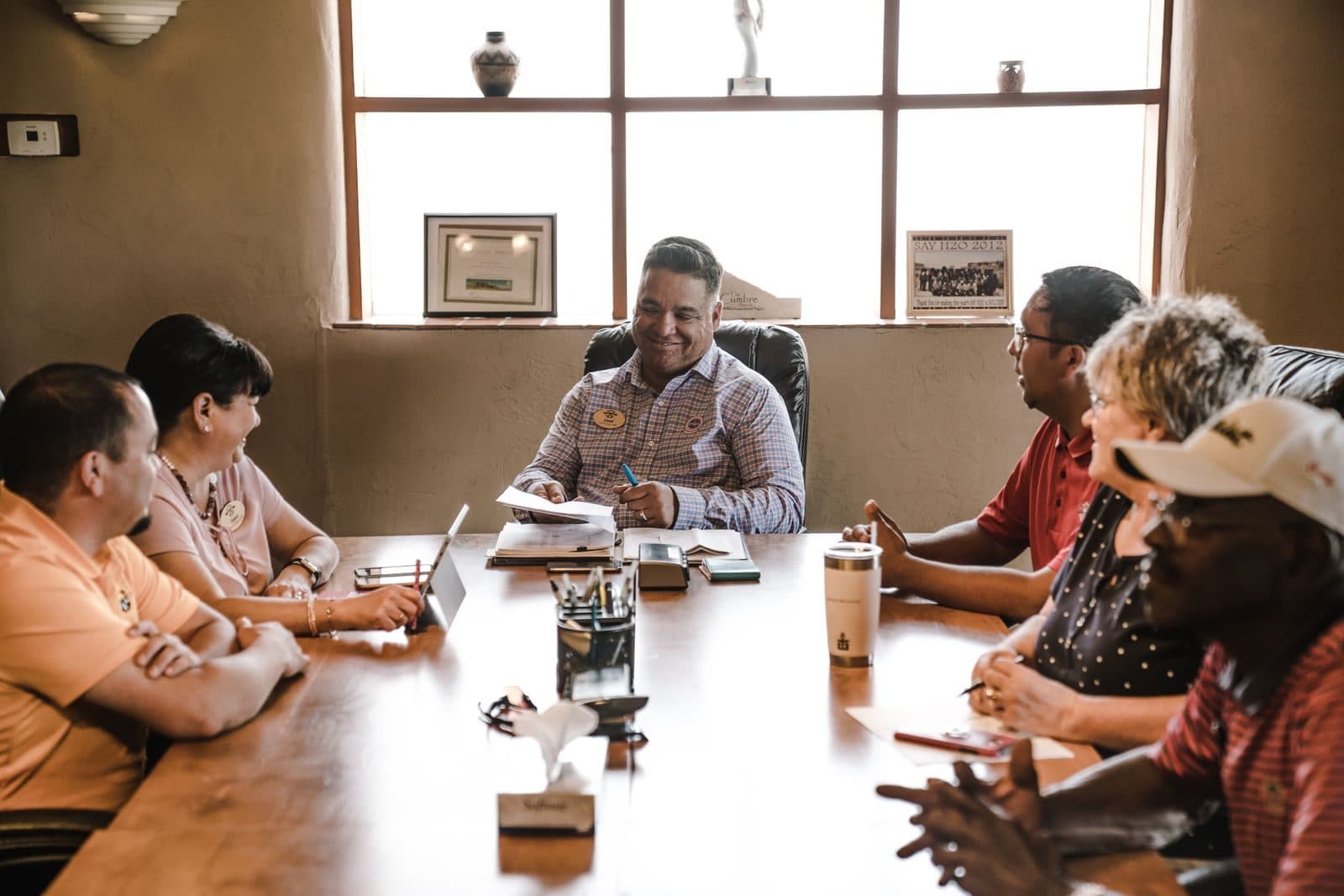
Photo: Jopwell / Pexels (photo page on Pexels, opens in a new tab)
With one venue, you lead by being there. You see the pass, you hear the room, you fix things before anyone else notices. Guests know your face and so does the team.
With two venues you can still just about do that, if you don't mind never sleeping. By three or four, being everywhere stops working. Your job changes from running a venue to running the people who run the venues. Most founders find that harder than opening the next site.
This guide is about building that second job: choosing what you watch, how you meet, and what you leave alone.
Your GMs are the product now
At group level, the quality of each site mostly comes down to its general manager. A strong GM with an average site usually beats a great site with a weak GM. So the most important things you do each week are hiring, backing and developing GMs.
That means being honest about which decisions are theirs. If every rota change, menu tweak and refund has to come through you, you don't have GMs. You have very well-paid shift leaders, and you're the bottleneck.
If every decision comes through you, you don't have GMs. You have very well-paid shift leaders.
Decide what's fixed and what's local
Write down, on one page, what's the same everywhere and what each GM owns. A simple split many groups use:
Review the page every six months. As GMs prove themselves, move more into the second column.
Pick five numbers, not fifty
Groups often drown GMs in reports. Choose a handful of numbers you'll look at every week for every site, and make sure every GM can tell you what's behind them. For example:
- Sales against budget, and against the same week last year
- Labour as a percentage of sales
- Gross profit on food and drink, from a proper stocktake
- Guest feedback, from reviews and complaints, in one score or summary
- Team turnover: leavers this month, and why
The point isn't the numbers themselves. It's the conversation they start. A GM who says "labour was high because we were two down and covered with overtime, and here's my plan" is doing the job.
The weekly rhythm
Leading through others depends on a steady, predictable routine. A pattern that works for many small groups:
- Monday: numbers land for every site by midday, in the same format.
- Tuesday: a 30-minute call or meeting with each GM, one to one. Same agenda every week: last week's numbers, people, guests, one thing they need from you.
- Wednesday: a short group call with all GMs together to share what's working. GMs learn more from each other than from you.
- Thursday and Friday: site visits, see below.
Acas recommends regular performance reviews with employees, at least once a year. The weekly one to one isn't that review, but it means the formal one never contains surprises.
Worked example: when the numbers wobble
An illustrative example, not a real business. Site three's labour has crept up from its 28% target to 32% over four weeks, while sales are flat. Here's how the conversation might go:
- Don't open with blame. "Labour's up four points over the month. Talk me through it."
- Find the cause. The GM explains that two experienced staff left, and new starters are shadowing on overlap shifts while they learn.
- Agree the plan and the date. Training finishes in two weeks. Overlap shifts stop then, and labour should come back towards target by the end of the month.
- Offer help, then step back. You might lend a trainer from another site for a few shifts. Then you leave it with the GM and check the number next Tuesday.
What you avoid is taking over the rota yourself. Doing that once teaches every GM that you'll fix it for them.
Site visits with a purpose
Turn up with something specific to look at. Walk the site as a guest first: book a table, check the welcome, the toilets, the time to first drink. Then go back of house. Finish with fifteen minutes alone with the GM to say what you saw, good and bad, in that order.
Grow the next GMs
Your next site will need a GM, and the best ones usually come from inside. Ask every GM to name and develop a deputy. Give deputies real responsibility: running the site on the GM's days off, owning one of the five numbers, running the pre-shift brief. When you open, you'll have people ready, and a GM who has trained a successor has shown you they can lead as well as manage.
Watch
Inside the mind behind The Ivy, Arlington & Simpson's in the Strand | Jeremy King OBE
Winning with Ian Rosenblatt OBE on YouTube (opens in a new tab) ·
Jeremy King on four decades of London dining rooms and what makes guests feel at home.
Where to start this month
- Write the fixed versus local page and share it with your GMs.
- Agree your five numbers and a single Monday format.
- Book a weekly one to one with each GM, and keep it even on busy weeks.
- Plan one purposeful visit to each site.
Running a group well looks a lot less like being everywhere and a lot more like a calm, repeatable week. Your GMs will tell you whether it's working.
Watch
The Convergence of Casual and Fine | Danny Meyer | TEDxManhattan
TEDx Talks on YouTube (opens in a new tab) ·
Danny Meyer (Union Square Cafe, Shake Shack) on where fine dining and casual meet.