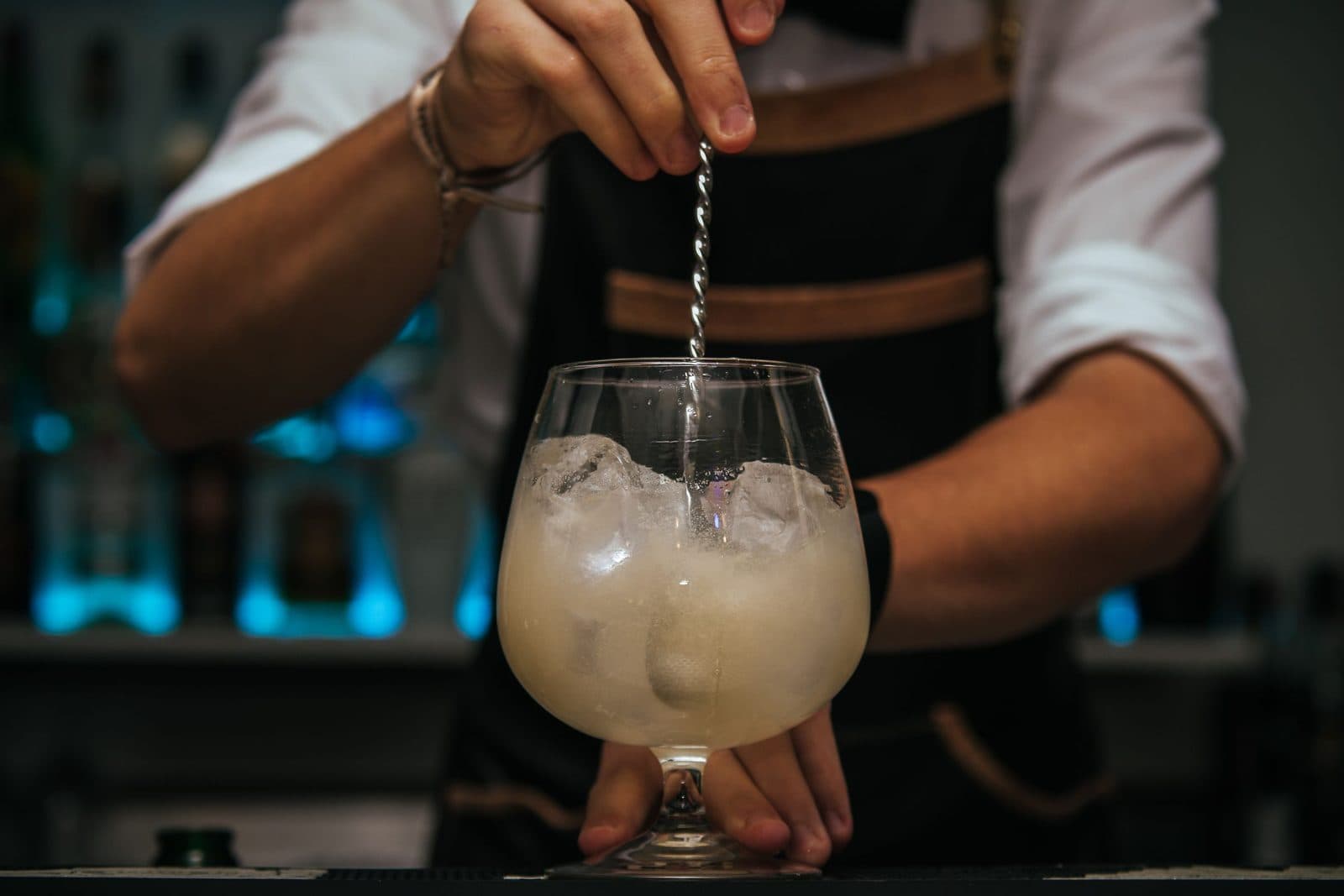
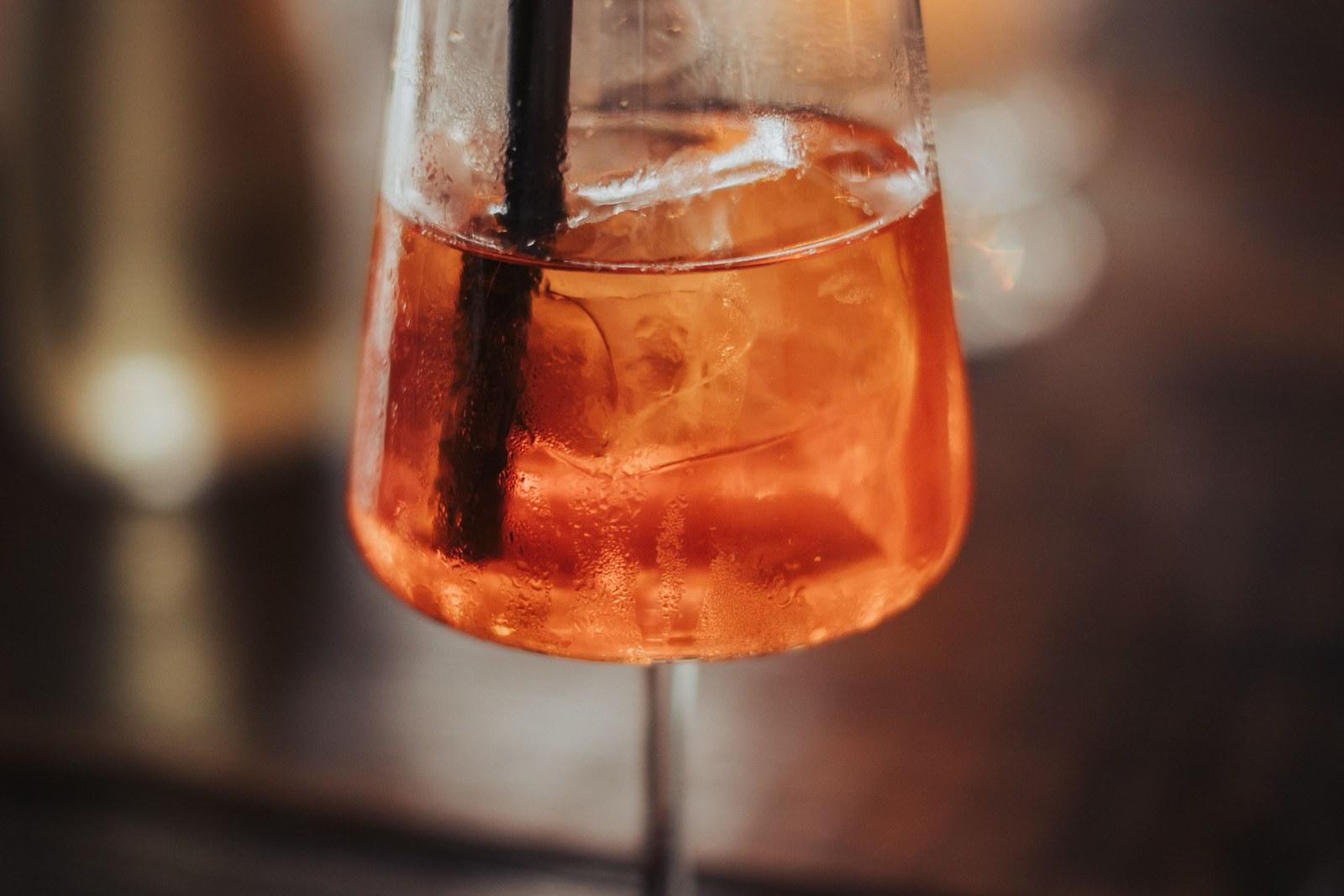
Photo: Benni Fish / Pexels (photo page on Pexels, opens in a new tab)
- Good for
- Running the shift
Fuller's reported a 118% rise in spritz sales in its half-year results for the 26 weeks ended 26 September 2026. It described a move towards longer drinks, alongside growth in premium and fruit-flavoured lagers. That is evidence from Fuller's pubs, not a prediction of what every guest will order at our bar on Saturday.
It is still a useful prompt. When orders change, the shift needs to change with them: the right glass within reach, enough stock for the session and a team that knows the serve. We can do that without rebuilding the drinks list whenever a headline appears.
Read the Guinness story carefully
Speaking to The Telegraph on 12 November 2026, Young's chief executive Simon Dodd said: "The likes of Guinness have dropped off a lot." He also said other beers were performing well in Young's pubs, questioned how much very hot summer weather explained the change, and said Guinness remained a huge category for the company.
The suggestion that the boom “may have peaked” was The Telegraph's headline framing. We should not turn it into a direct claim from Dodd or an instruction to stop backing stout. His weather caveat matters when we are preparing a winter bar from a story about changing demand.
For a shift leader, the practical question is narrower: what have our guests actually ordered over the last four weeks, and can we serve that mix properly? We keep the classic pint on a quality pour while checking whether a growing long drink needs more attention.
Start with what the till can tell us
Pull unit sales for the last four weeks and separate the sessions that resemble the shift ahead. Friday evening can tell a different story from Sunday lunch. Look at the established favourites alongside the rising drinks, so a small new line does not distract from the bar's main workload.
Mark any stock-outs next to the figures. Low recorded sales may mean we could not supply a drink, rather than guests stopped wanting it. Note unusual events and weather too. We want enough context to explain the numbers at the briefing, without making the team sit through a sales presentation.
Then choose the operational change. If the spritz is growing, the answer might be more measured stock at the station and a clearer written specification. It need not be another new drink. Agree changes with whoever owns ordering and the menu before the shift starts.
Make the pour repeatable
Write down the glass, ice, garnish and exact volumes for the existing serve. Put the specification where the drink is made. We want the same result from the first order to the last, including when someone moves across from another station to help.
Nominate one person to sign off the first pour of the shift against that specification. Check that the correct measure is available and that everyone can find the ingredients. No free pouring on the new long drink: a familiar-looking glass is not a measure.
Use the check to coach. If the drink looks wrong, remake it to the specification and show the difference. A quick correction before the rush is easier to repeat than an instruction shouted across a busy bar. Keep the established draught checks in place as well.
What a small over-pour costs
Every £ figure in this yield example is illustrative. Our example bar sells 40 spritz on a Friday. The specification uses 50 ml of the aperitif base, costing an illustrative £1.80 net per 50 ml. Each drink accidentally receives an extra 10 ml.
- Extra aperitif used: 10 ml × 40 drinks = 400 ml.
- Equivalent specified measures: 400 ml ÷ 50 ml = 8.
- Extra product cost: £1.80 × 8 = £14.40 for that Friday.
- Across four Fridays: £14.40 × 4 = £57.60.
That illustrative £57.60 covers only the extra aperitif in four sessions. It excludes other ingredients and any other service. We have used a net purchase cost, so there is no gross sales figure to divide by VAT in this calculation.
The point is repeatability. A 10 ml mistake looks small in one glass, but it repeats every time the team uses the same inaccurate pour. The first-pour check helps establish the standard; watching a few serves during the shift shows whether it is holding.
Reset the stock par
Par means the stock level we plan to have available. Reset it from the last four weeks of sales, allowing for delivery timing, the coming session and usable stock already on hand. Last winter's stout order is not automatically the right order for this winter's mix.
Check the whole serve, including mixers, garnish and glassware. Having the aperitif does not help if the station runs out of the other things needed to make the drink. Agree who replenishes the station and where the reserve stock sits.
For a softening line, raise the ordering question rather than letting surplus build unnoticed. For a growing line, record when stock runs low and pass that information to the order owner. Keep reviewing the classic: Dodd's comments do not make our own guests' favourite disappear.
Give the team one civil offer
We use an offer that helps an undecided guest: “If you fancy something longer, we have a spritz. Would you like to hear what's in it?” The team should be able to describe the actual drink clearly and give its price before an order is placed.
If the guest asks for their usual pint, serve it properly. We do not talk down their choice or insist that another drink is more fashionable. A useful recommendation leaves room for a straightforward no.
Before opening, check:
Watch
Cranberry Aperol Spritz - The Christmas Spritz Recipe
ThatCocktail on YouTube (opens in a new tab) ·
Why watch: a short build of a winter spritz: Aperol, cranberry, prosecco and soda over ice. Useful for writing our own specification and pour check before guests start asking for something festive.
Your action this week
Run a five-minute bar briefing before Saturday service using one drink whose sales have moved: show its specified pour, confirm its stock par and practise the guest offer with the team.