Photo: Berkan Can / Pexels (photo page on Pexels, opens in a new tab)
- Good for
- Hospo crew
- Running the shift
Nobody goes into hospitality dreaming of saying "Would you like fries with that?" And nobody likes being on the receiving end of a hard sell. The good news is that the best upselling doesn't feel like selling at all. It feels like a server who knows the menu, cares whether you have a great time and tells you about the good stuff.
Selling vs helping
The difference is simple. Pushy upselling is about what you want the guest to buy. Good upselling is about what the guest would enjoy, that they might not have known to ask for.
- Pushy: "Do you want to upgrade to a large?"
- Helpful: "The pork belly's brilliant with the burnt apple sauce. If you're sharing, the hispi cabbage on the side is a cracking match."
Same goal, more on the bill. One makes guests feel processed; the other makes them feel looked after. Guests who feel looked after come back, and they tip.
Good upselling is telling guests about something they'd enjoy that they might not have known to ask for.
The four moments that matter
You don't need to sell all night. There are four natural moments where a suggestion lands well.
1. The first drink
Guests are often undecided when they sit down. Have one or two things ready to recommend, not a recital of the whole list.
"If you fancy something to start, our house spritz is really refreshing, or we've got a lovely English sparkling by the glass."
2. Ordering food
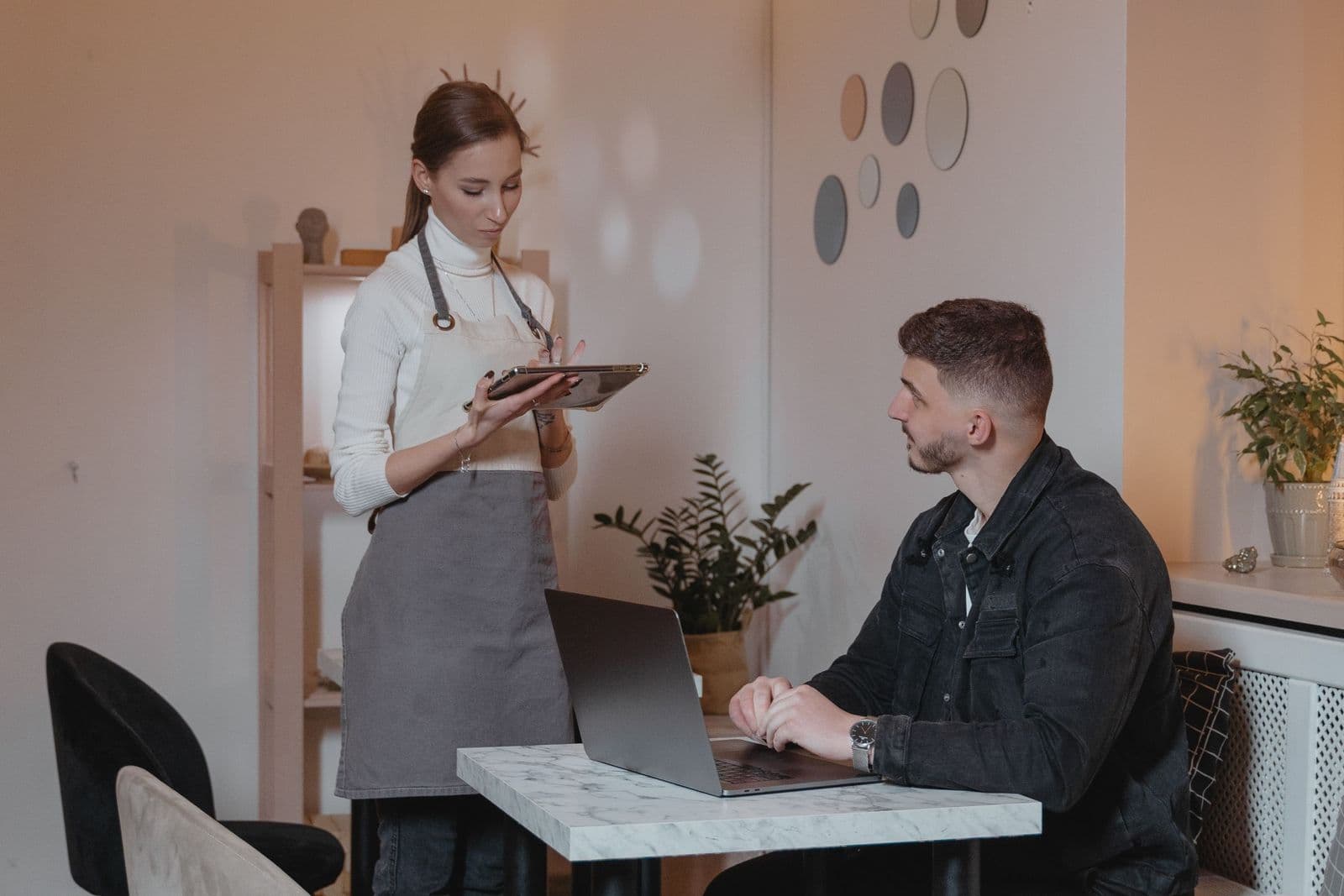
This is where sides, starters to share and specials live. Describe, don't list.
"The lamb's on as a special tonight, slow-cooked with anchovy and rosemary. It's my favourite thing on at the moment."
3. The second drink
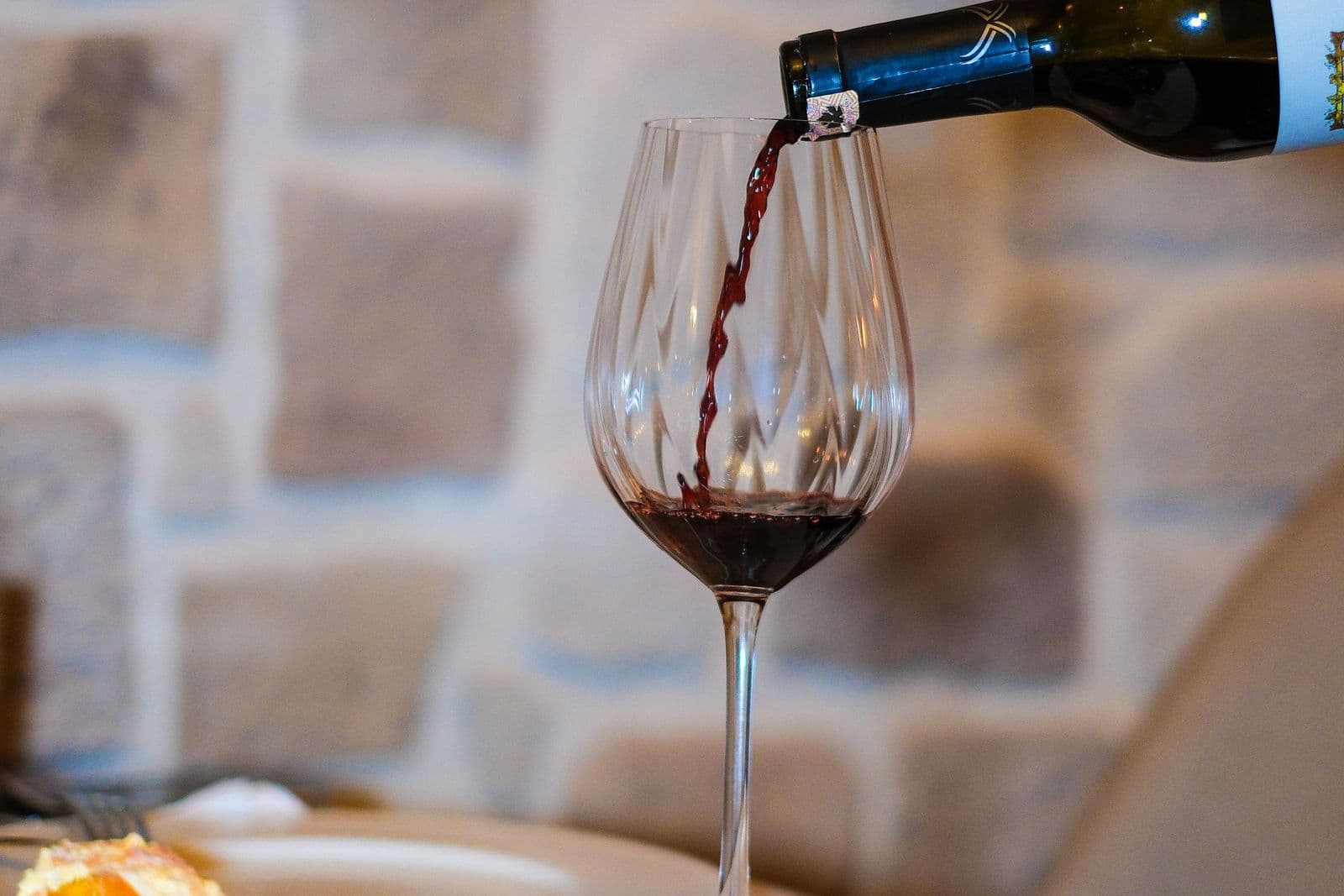
Watch the glasses. Arriving just as someone's finishing, with a suggestion that fits what they're eating, rarely feels pushy.
"That red will go really well with the steak. Shall I bring another glass, or would you like to try the Rioja?"
4. Dessert and after
Many people say no to "Any dessert?" but yes to a description. Bring the menu, mention one thing, and offer to share.
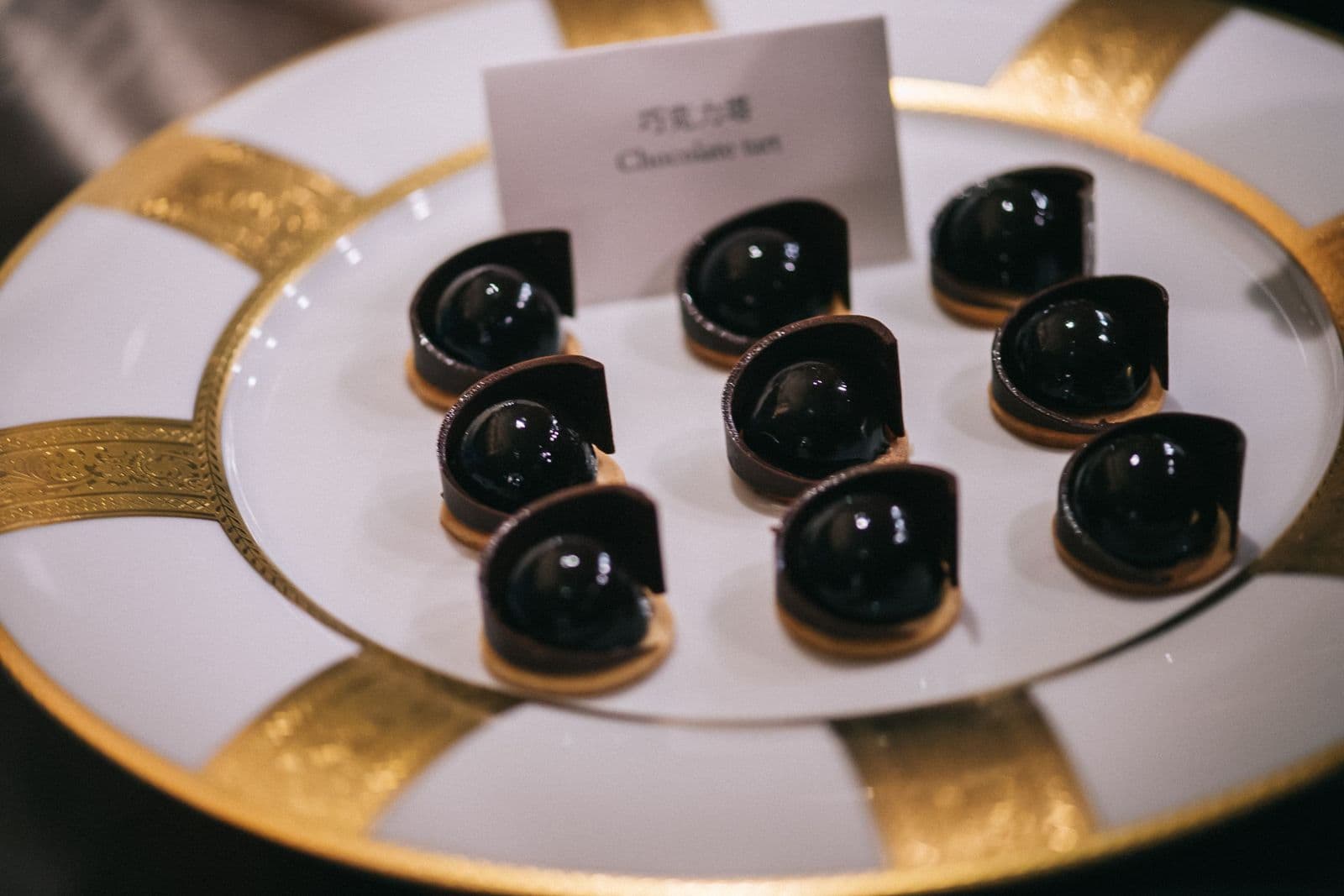
"Have you left room? The chocolate tart is ridiculous. Lots of tables share one with two spoons."
What it's worth
Small things add up. Say your venue does 400 covers a week.
Sides: If an extra 1 in 10 guests orders a side at £4.50 (inc VAT):
- 400 × 10% = 40 extra sides
- Net price: £4.50 ÷ 1.2 = £3.75
- 40 × £3.75 = £150 a week, net of VAT
Dessert: If the share of guests ordering dessert goes from 20% to 25%, at £7.20 (inc VAT):
- 400 × 5% = 20 extra desserts
- Net price: £7.20 ÷ 1.2 = £6.00
- 20 × £6.00 = £120 a week, net of VAT
Together: £150 + £120 = £270 a week, or £270 × 52 = £14,040 a year in extra net sales. No price rises, no new guests, just good recommendations.
Know your stuff
You can't recommend what you haven't tried. Ask your manager or chef if you can taste new dishes and drinks before they go on. Learn three things about each one: what it is, what it tastes like, and what it goes well with. That's enough to sell it honestly.
And know where the allergen information is. When a guest mentions an allergy, that's not a moment for selling. Check the allergen information, follow your venue's process, and never guess.
The lines you don't cross
Upselling has limits, and some of them are legal.
- Smaller measures. In England and Wales, licensed premises must make small measures available (such as a half pint of beer or cider, 25ml or 35ml spirits and a 125ml glass of wine) and let customers know they're available. Don't hide them to push larger ones.
- No irresponsible promotions. Pressuring people to drink more, or drinking games and "drink as much as you like" deals, are banned under the mandatory licensing conditions.
- Never serve someone who's drunk. Knowingly selling alcohol to a person who is drunk is an offence under the Licensing Act 2003. If someone's had enough, a soft drink and some water is the right upsell.
- Free tap water must be available on request where reasonably available. It's not a cue for a sigh.
Make it a team thing
Shift leads, this bit's for you. Upselling is easier when it's part of the culture, not a target someone's being chased on.
- Pick one item a shift in the pre-shift brief. "Tonight's push is the crab starter. Here's why it's great."
- Taste it together when you can.
- Celebrate the stories, not just the numbers: "Table 6 had the crab on Sam's recommendation and loved it."
- Avoid leaderboards that turn nasty. A gentle team goal works better than naming and shaming.
Watch
The Convergence of Casual and Fine | Danny Meyer | TEDxManhattan
TEDx Talks on YouTube (opens in a new tab) ·
Why watch: Danny Meyer on hospitality. A useful reminder that how guests feel is what brings them back, and that's what selling well is really about.
Sources
- legislation.gov.uk: Licensing Act 2003 (Mandatory Licensing Conditions) (Amendment) Order 2014, Schedule (small measures, free water, irresponsible promotions) (opens in a new tab)
- legislation.gov.uk: Licensing Act 2003, section 141 (sale of alcohol to a person who is drunk) (opens in a new tab)
- Food Standards Agency: Allergen information for non-prepacked foods, best practice (opens in a new tab)
- GOV.UK: VAT rates (opens in a new tab)