Photo: Francesco Ungaro / Pexels (photo page on Pexels, opens in a new tab)
Owners and senior operators say yes to spend for good reasons and bad ones: a tired room, a rival's new fit-out, a salesperson with a shiny oven, a lease that "needs" another site. Feelings are allowed. But spending decisions need more than a gut feeling.
This is a simple payback test you can run on one page before anyone orders samples. It's not tax advice, not financing advice and not a substitute for your accountant. When the number is large or the structure is complicated, speak to an accountant.
Extra sales are not extra profit
A refurb that "should put £2,000 a week on the till" sounds exciting until you remember VAT, cost of sales and the labour to serve it. Wherever sales uplift appears below, it is net of VAT — VAT (standard rate 20% in the UK) is not profit.
Roughly, it works like this:
- You sell more food and drink → you pay for more food and drink (GP)
- You may need more hours on the floor (labour on the uplift)
- What's left is closer to the profit that pays back the project
For GP basics, see GP and margin, explained with a burger.
Simple payback
Payback (weeks) = project cost ÷ extra weekly profit.
Worked example (illustrative — not a recommendation):
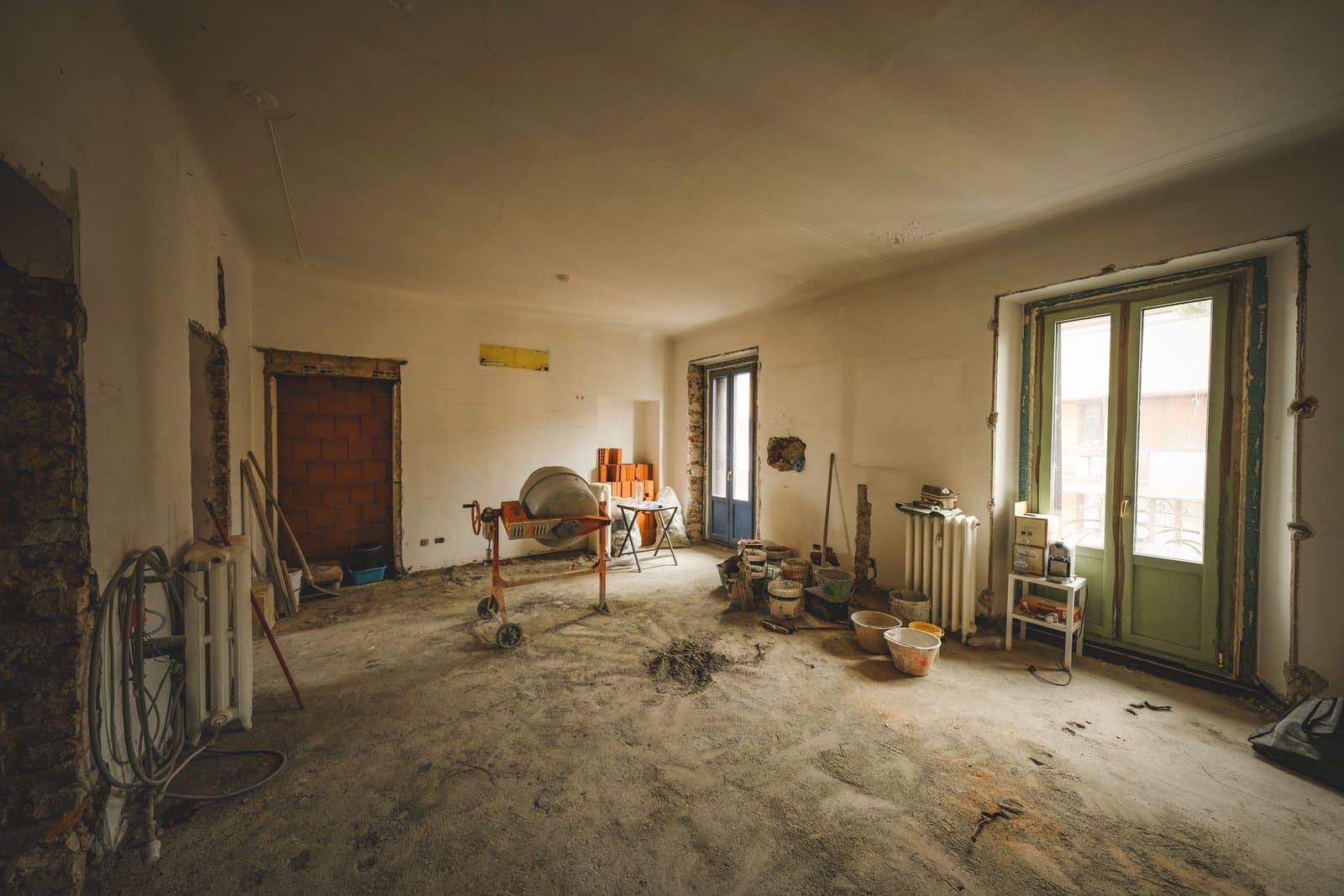
A £40,000 refurb. Target: pay back in 1 year (52 weeks).
- Extra weekly profit needed = £40,000 ÷ 52 = £769.23 → about £770 a week.
That £770 is profit, not sales.
Stated flow-through assumptions (illustrative — label them)
Assume, for this example only:
- GP 70% on the extra sales (cost of sales 30%)
- Extra labour at 25% of extra sales
- So contribution after GP and that labour = 70% − 25% = 45% of extra net sales
Then:
- Extra weekly net sales needed = £770 ÷ 0.45 = £1,711.11 → about £1,711 a week net of VAT.
- Including VAT at 20%: £1,711 × 1.2 = £2,053.20 → about £2,053 a week on the till (gross of VAT).
So "we need about two grand a week more through the till" is only true under these labelled assumptions. Change GP or labour and the sales hurdle moves. Write the assumptions on the sheet every time.
If you can't name the GP % and labour % you used, you don't have a payback — you have a hope.
Sense-check the story
One-year payback is an illustrative target, not a benchmark. Some projects deserve longer; some should never start. Simple payback also ignores:
- financing cost
- depreciation
- trade lost while the site is closed for the work
Include the closure weeks in the cost. If you shut for three weeks and lose (illustrative) £15,000 of controllable profit, add that £15,000 to the £40,000 before you divide. Lost trade is real money.
Ask: is the uplift volume you need believable for this site, this catchment, this season? If you need about £1,711 net extra every week for 52 weeks to pay back in a year, and the room only seats 40, do the covers maths before you fall in love with the mood boards.
Openings and licensing time
A new site that will trade alcohol needs a premises licence or a variation before it trades. Build licensing time and fees into the cost and the timeline. Name the regime by nation — don't improvise advice:
- England and Wales: Licensing Act 2003
- Scotland: Licensing (Scotland) Act 2005
- Northern Ireland: Licensing (NI) Order 1996
No more detail here. Your solicitor or licensing consultant handles the application. You put it on the project plan so opening day isn't a surprise.
Kit-only projects (a new dishwasher, a booking system) still use the same payback calculation — cost ÷ extra weekly profit — with smaller numbers and usually no closure. The approach is the same.
Three-question spend check
Before you approve:
- What extra weekly profit do we need? (cost ÷ weeks to target payback, with closure losses added to cost)
- What net-of-VAT sales does that imply at our stated GP % and labour %? (show the sums)
- What has to be true in the room for that uplift to happen — and who owns it?
If you can't answer all three in writing, the answer isn't yes yet.
No company names, no employer-confidential figures and no promises that a refurb "always" pays back. Take time before saying yes: the maths needs to stand up to scrutiny.