
From 30 October, employers must act on guests who harass staff: what changes on shift
A new legal duty covers harassment by customers, not just colleagues. Here's how it should work behind the bar and on the floor.
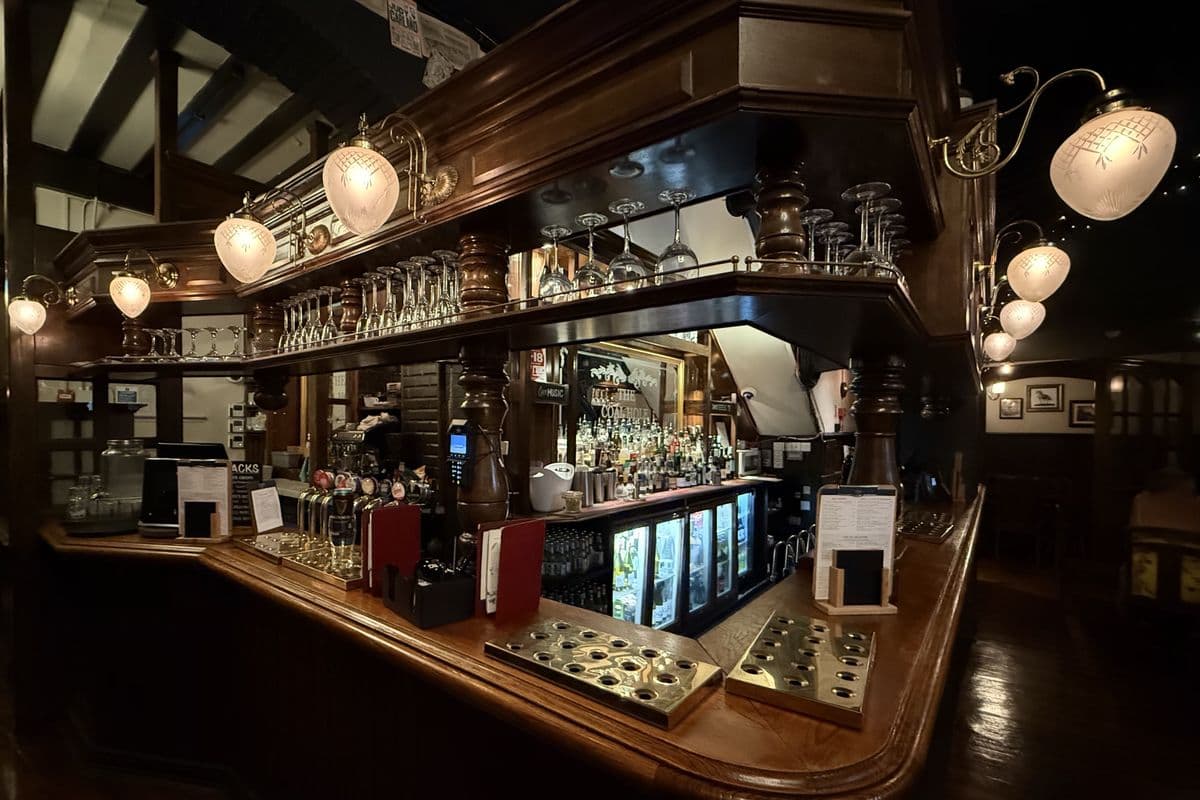
On 30 October 2026, a change under the Employment Rights Act 2025 comes into force in England, Wales and Scotland. Employers can be held responsible when a worker is harassed by a third party, such as a customer or contractor, unless they've taken all reasonable steps to prevent it, according to Acas, the government-funded workplace advice service. Until now, the duty only covered harassment between colleagues.
What reasonable steps can look like (examples from Acas) - Checking where and when harassment is most likely, and acting on it - Recording every incident and what was done - A written policy, plus training in staff safety and calming things down (de-escalation) - Telling customers the consequences, for example on posters - In higher-risk venues: enough staff, door security, alarms, cameras, code words and safe spaces
Try this on your next shift - Know the route. Who do you tell, and how? If nobody has said, ask your manager this week - Write it down. Time, what was said or done, and who saw it - Agree a code word. So a colleague can swap tables or step in - Running the floor? Move your colleague away from the guest, write it up the same night and pass it up the line
What it means on your shift: Acas gives the example of a boss who brushes complaints off as part of the job, and says that is very unlikely to count as reasonable steps. Report it, every time.
Source: Acas (opens in a new tab)
- harassment
- employment-rights-act
- staff-safety
- law
- acas